The Balkan defense manufacturing cooperation between Albania, Kosovo, and Croatia is evolving into a structured regional initiative focused on armored vehicle production and industrial coordination. Albania–Kosovo–Croatia defense cooperation is no longer just a diplomatic concept—it is becoming a practical model for strengthening military readiness while expanding domestic industrial capacity.
As global defense supply chains grow more uncertain, smaller nations are reassessing their level of dependence on external military suppliers. In this context, regional production is not only strategic but also increasingly necessary for long-term stability.
Regional Collaboration and Industrial Capacity
The main purpose of Balkan defense manufacturing cooperation is to build sustainable production capabilities within Southeast Europe. Instead of relying entirely on imported systems, the region gradually develops the ability to contribute to its own defense infrastructure.
This cooperation strengthens:
- Military readiness through localized production
- Engineering expertise across multiple countries
- Industrial investment within national economies
Over time, these advantages compound. Technical knowledge remains within the region, workforce skills improve, and economic value circulates locally rather than flowing abroad.
For more insight into Albania’s broader industrial framework, see: The Industrial Revival of Albania: The Strategic Role of Domestic Manufacturing in Defense and Emergency Sectors
SHOTA MRAP and the Move Toward Armored Vehicle Production
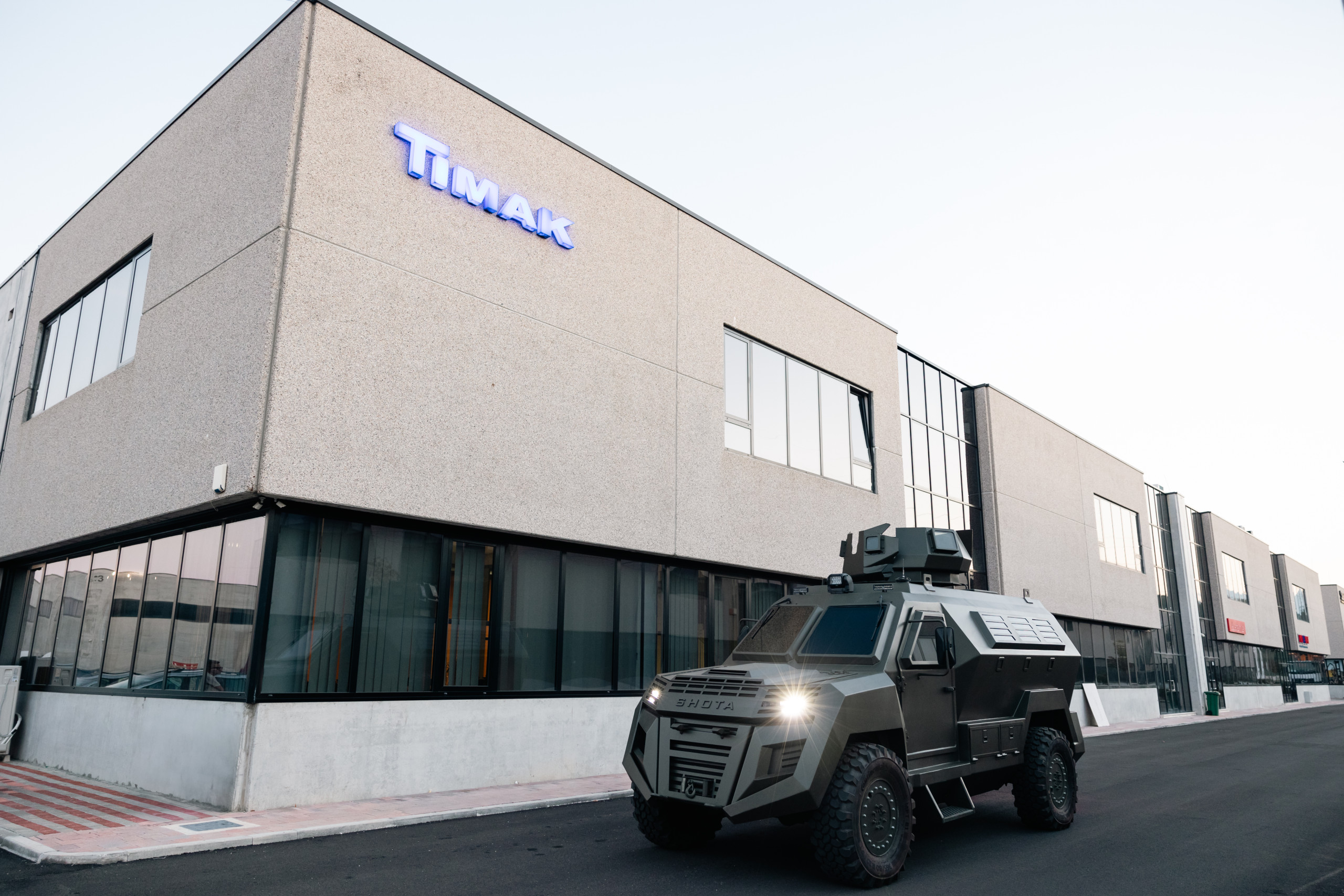
One of the clearest outcomes of Balkan defense manufacturing cooperation is the SHOTA MRAP program. Designed as a mine-resistant ambush-protected vehicle, SHOTA represents a tangible step toward regional armored vehicle production.
Its V-shaped hull structure enhances protection against explosive threats, reflecting modern battlefield design principles. However, the significance of SHOTA MRAP goes beyond technical specifications. It demonstrates how coordinated industrial roles and shared expertise can produce real defense assets within the region.
Rather than purchasing complete armored platforms from abroad, Albania–Kosovo–Croatia defense cooperation creates space for gradual technological growth and production experience.
Division of Roles and Shared Expertise
A major strength of this cooperation model is the distribution of responsibilities. Each country contributes according to its industrial capabilities.
Albania provides expanding manufacturing infrastructure. Kosovo supports assembly processes and technical engineering integration. Croatia contributes advanced defense technology experience and prior production knowledge.
This structured division makes Balkan defense manufacturing cooperation more sustainable and scalable. Instead of duplication, there is specialization—and specialization increases efficiency.
Economic and Strategic Impact
Beyond defense readiness, this initiative has broader economic implications. Advanced manufacturing in the military sector creates skilled employment opportunities and encourages technical education. It also sends a message of stability and long-term planning to international partners.
Compatibility with NATO standards remains an important element of modernization. Aligning production with alliance frameworks ensures interoperability in logistics, joint training, and operational coordination. More information about NATO modernization standards can be found on the official NATO website.
Over time, Balkan defense manufacturing cooperation could expand into smart military systems, upgraded armored platforms, and other specialized defense technologies. While the region may not compete with major global producers, it can build a focused and resilient industrial niche supported by coordinated policy and shared expertise.
Albania–Kosovo–Croatia defense cooperation therefore represents more than a single project. It reflects a long-term strategic shift toward regional self-reliance, industrial growth, and stronger security foundations.