Emergency situations rarely come with warnings. In those critical moments, the ability to respond quickly and effectively often depends on one key decision made long before any incident occurs: choosing the right emergency vehicle.
For organizations responsible for public safety, healthcare delivery, or disaster response, this decision goes far beyond simple procurement. It directly impacts operational efficiency, response times, and ultimately, outcomes in high-pressure situations. With a growing range of specialized vehicles available, understanding how to make the right choice has never been more important.
Understanding the Role When You Choose the Right Emergency Vehicle
Emergency vehicles today are far more than transportation tools. They have evolved into fully integrated response units, designed to deliver immediate support exactly where it is needed.
Whether it is an ambulance equipped for advanced life support, a rescue vehicle operating in extreme terrain, or a mobile medical unit serving remote communities, each vehicle plays a specific role within a larger response ecosystem. The effectiveness of that ecosystem depends on how well each component is aligned with real operational needs.
This is why organizations are increasingly shifting their focus from simply acquiring vehicles to building coordinated, purpose-driven fleets.
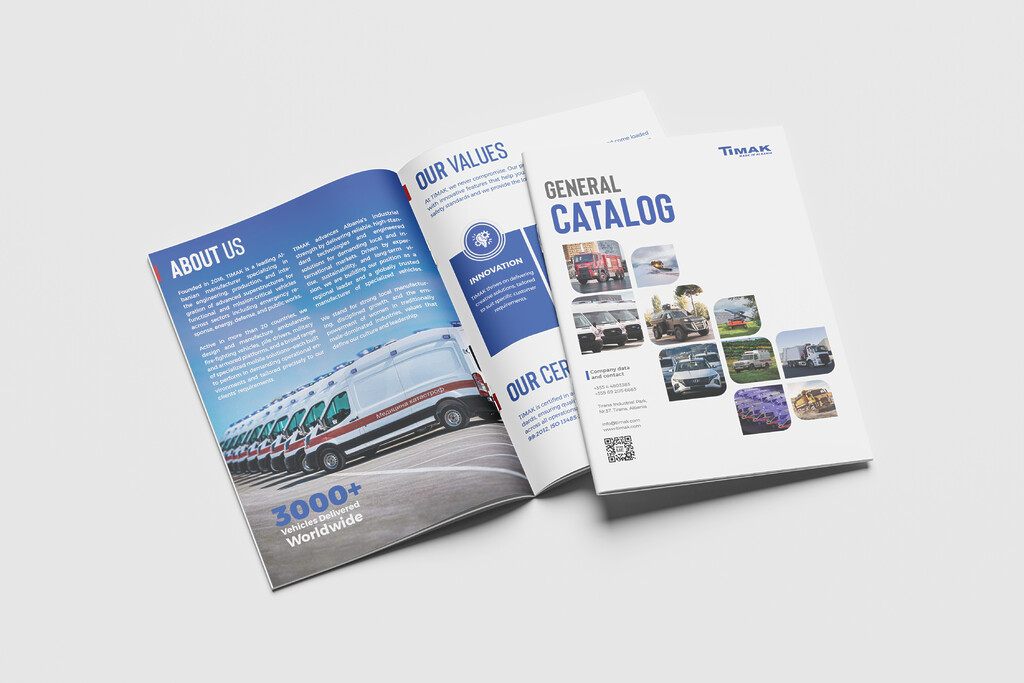
To better understand how specialized vehicles fit into modern operations, explore our work in TIMAK’s Specialized Ambulances – Industrial Capacity, Emergency Response, and Global Reliability
Key Factors to Consider When Choosing an Emergency Vehicle
Making the right choice begins with a clear understanding of how the vehicle will be used in real-world scenarios. While technical specifications matter, the most important factors are often practical and operational.
Purpose and Operational Use
Every emergency vehicle is designed with a specific function in mind. The first step is to clearly define that function.
A vehicle used in dense urban environments will have very different requirements compared to one operating in rural or hard-to-reach areas. Similarly, a unit focused on rapid medical response will differ significantly from one designed for multi-purpose rescue operations.
Clarity at this stage prevents costly mismatches later on.
Terrain and Environmental Conditions
The environment in which a vehicle operates has a direct impact on its performance and reliability.
Urban infrastructure, off-road terrain, and extreme weather conditions all place different demands on a vehicle. In regions where access can be limited or unpredictable, choosing a platform capable of handling those challenges is essential for maintaining consistent response capability.
Organizations that overlook this factor often face limitations precisely when flexibility is most needed.
Customization and Adaptability
One of the defining differences in modern emergency vehicle procurement is the shift toward customization.
Standard models can meet basic requirements, but they rarely offer the level of efficiency needed in complex operations. Custom-built vehicles, on the other hand, allow organizations to align every detail, from interior layout to equipment placement and with their specific workflows.
This level of adaptability not only improves performance in the field but also ensures that the vehicle remains relevant as operational needs evolve over time.
Technology and On-Board Capabilities
As emergency response systems become more advanced, so do the vehicles that support them.
Today’s emergency units often integrate communication systems, real-time data capabilities, and specialized equipment that enables teams to act immediately upon arrival. The focus is no longer just on reaching the scene, but on delivering capability at the scene.
Industry standards and advancements in emergency response technology continue to evolve, as highlighted by World Health Organization emergency care guidelines
Choosing the right level of technology requires balancing operational needs with usability, ensuring that systems enhance performance without adding unnecessary complexity.
Balancing Cost with Long-Term Value
Budget considerations are always part of the decision-making process, but focusing solely on initial cost can lead to long-term inefficiencies.
A more effective approach is to evaluate overall value. This includes durability, maintenance requirements, operational lifespan, and the ability of the vehicle to adapt to changing demands. In many cases, a well-designed and properly specified vehicle will prove far more cost-effective over time than a lower-cost alternative.
Types of Emergency Vehicles and Their Use Cases
While every organization has unique needs, most emergency vehicles fall into several broad categories, each designed to address specific operational challenges.
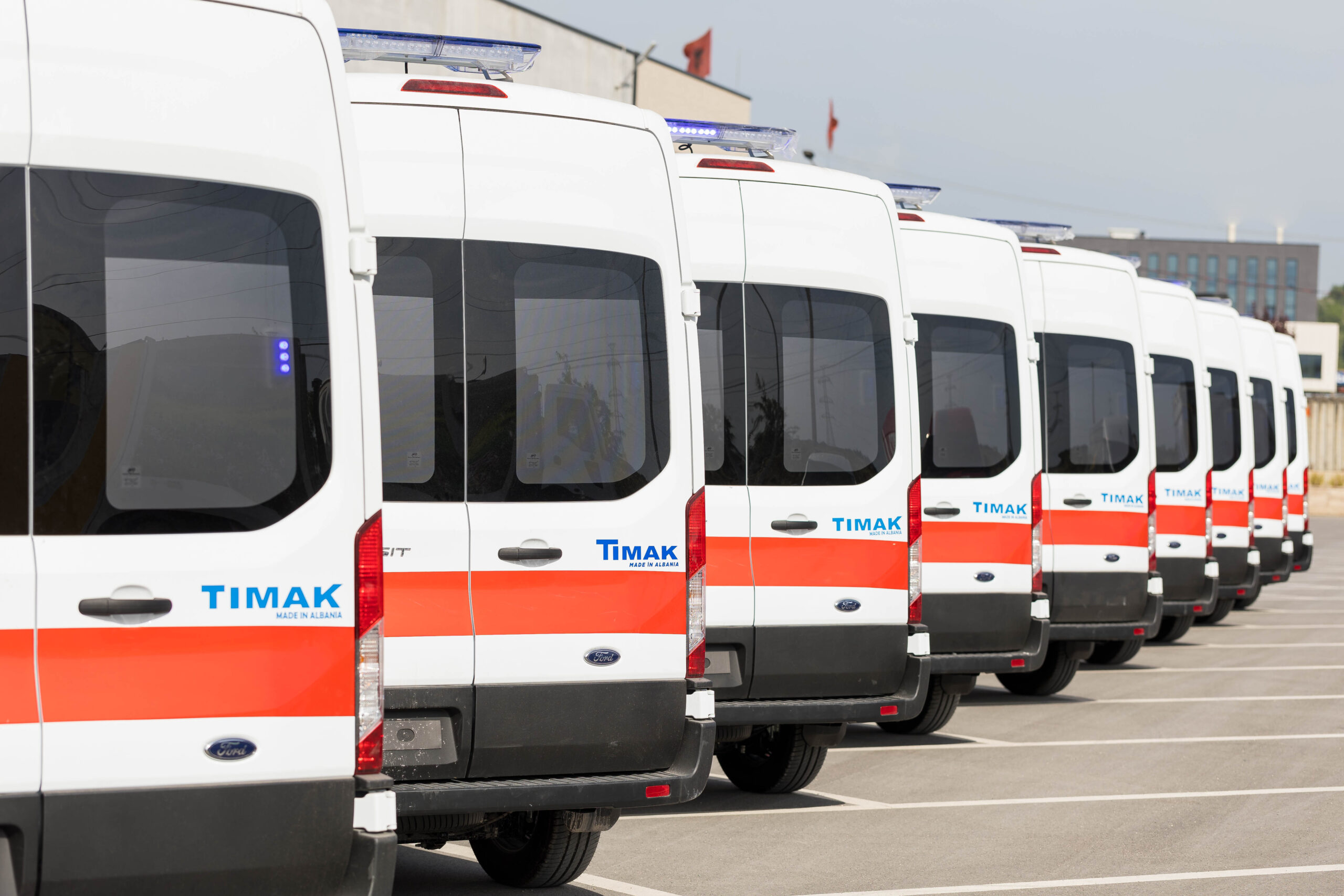
Ambulances are primarily focused on patient care and transport, ranging from basic units to highly advanced mobile intensive care environments. Fire and rescue vehicles are built to handle complex emergency scenarios, often combining multiple functions within a single platform. Mobile clinics extend healthcare services beyond traditional facilities, bringing essential care directly to underserved populations. Multi-purpose vehicles offer flexibility, allowing organizations to adapt quickly across different types of incidents.
Understanding these categories helps create a clearer framework for decision-making and ensures that the selected vehicle aligns with real-world use.
For more examples of specialized vehicle applications, see Timak Amblances
Common Mistakes to Avoid
Even well-planned procurement processes can fall short when certain factors are overlooked. Some of the most common issues arise not from technical limitations, but from misaligned expectations.
- Choosing a vehicle based primarily on upfront cost rather than long-term performance
- Underestimating how operational needs may evolve over time
- Overlooking environmental and terrain challenges
- Failing to consider how customization can improve efficiency
Avoiding these pitfalls requires a more strategic perspective and one that considers not just immediate requirements, but future demands as well.
How to Choose the Right Emergency Vehicle with a Strategic Approach
Organizations that approach vehicle selection strategically tend to see significantly better outcomes in both performance and cost efficiency.
Rather than focusing on individual units in isolation, they consider how each vehicle contributes to a broader system. This includes planning for scalability, ensuring compatibility across fleets, and prioritizing solutions that can adapt over time.
Increasingly, this approach involves working with manufacturers that understand the complexity of modern emergency response and can provide flexible, forward-thinking solutions. The result is not just a vehicle, but a long-term asset that strengthens the organization’s overall capability.
Broader trends in emergency fleet planning are also discussed in global emergency care systems and response frameworks
Choosing the right emergency vehicle is ultimately about preparedness. It is about ensuring that when a critical moment arrives, the tools in place are capable of meeting the challenge without compromise.