Mobile clinics’ national security strategies are no longer optional—they have become critical components of modern preparedness systems. National security today extends far beyond military defense and territorial protection. It now includes healthcare readiness, rapid emergency deployment, and the ability to protect civilian populations during unpredictable crises.
From pandemics to natural disasters, mobile medical infrastructure protects not only individual lives but also national stability. Governments that fail to integrate mobility into healthcare planning risk exposing structural weaknesses when pressure rises.
Mobile Clinics National Security Planning in a Changing Risk Environment
In the past, national security strategies focused primarily on armed forces and border control. However, recent global crises have reshaped this understanding. The COVID-19 pandemic demonstrated how quickly overwhelmed healthcare systems can disrupt economies, strain institutions, and weaken public trust.
For this reason, mobile clinic national security planning now plays a central role in resilience frameworks. When fixed hospitals reach capacity or become inaccessible, mobile units provide rapid deployment without waiting for permanent infrastructure to recover.
The World Health Organization identifies emergency health preparedness as a core pillar of national resilience, reinforcing the importance of integrated mobile systems.
Health security is no longer a secondary consideration—it is foundational to overall national strength.
Disaster Response and National Security Infrastructure
Natural disasters can destroy hospitals within minutes. Earthquakes, floods, and large-scale fires often damage or isolate permanent facilities precisely when medical demand spikes.
Mobile clinic national security systems solve this vulnerability through flexibility. These units can be deployed directly to affected zones, restoring healthcare access almost immediately. They support triage operations, provide diagnostics, and manage urgent care while permanent systems are repaired.
Advanced ambulances enhance this capacity by operating as mobile stabilization platforms. Instead of functioning merely as transport vehicles, they allow medical teams to begin treatment on-site and maintain continuous care during transfer. In high-pressure environments, those minutes can determine survival outcomes.
Advanced Ambulances Within Mobile Clinics National Security Strategy
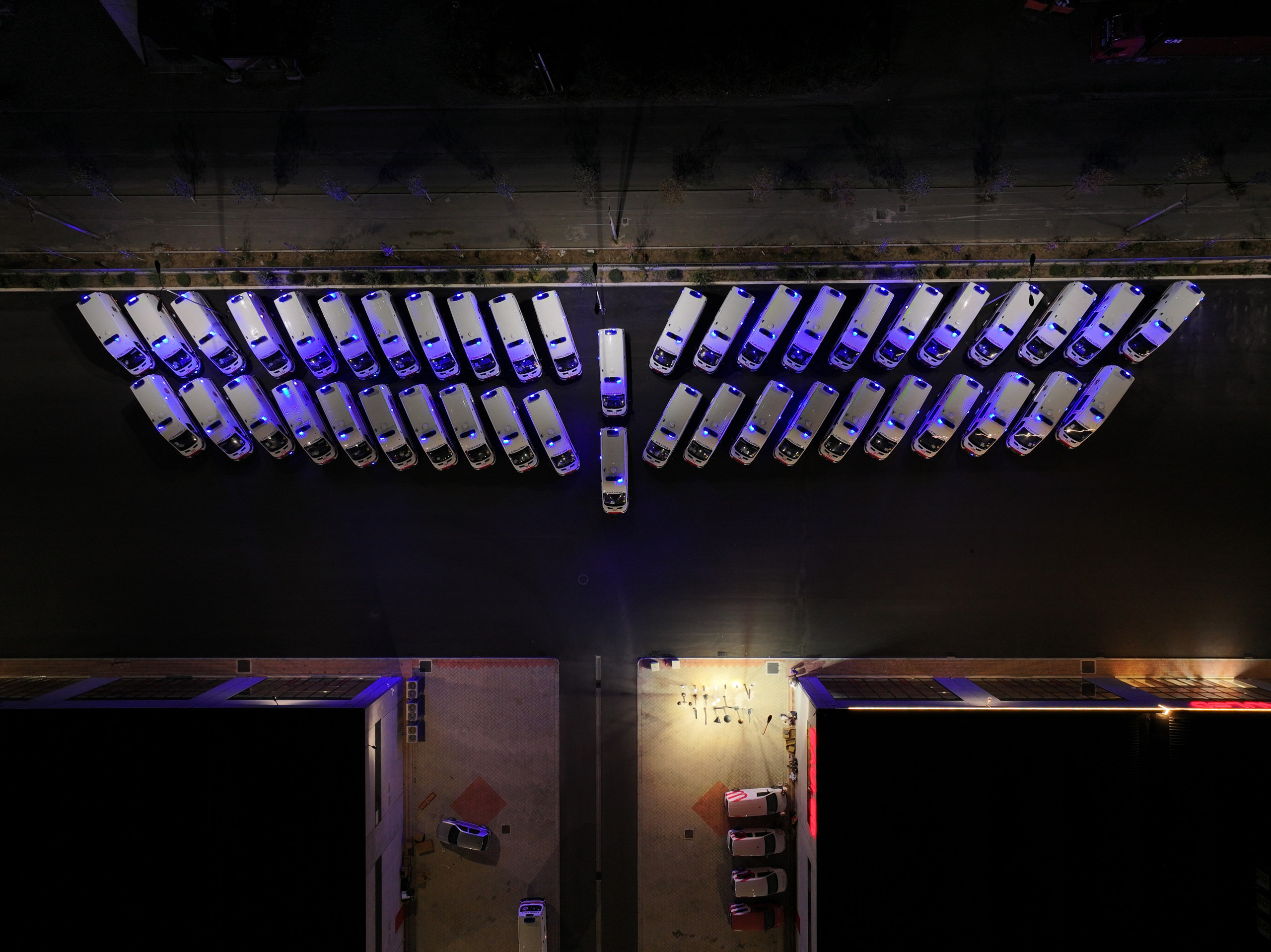
Within modern mobile clinics’ national security strategy, advanced ambulances serve as extensions of emergency departments. Equipped with cardiac monitoring systems, ventilators, trauma stabilization equipment, and telemedicine communication tools, these vehicles deliver hospital-level capabilities on the move.
During industrial accidents, terror incidents, or border emergencies, mobility becomes decisive. Response teams cannot afford delays caused by distance or damaged infrastructure. By integrating telemedicine platforms, medical personnel inside the ambulance can consult specialists in real time, improving diagnostic accuracy and treatment decisions.
This level of integration transforms emergency response from reactive to coordinated and strategic.
Pandemic Control and Biosecurity Under Mobile Clinics National Security Frameworks
Pandemics require speed, adaptability, and visibility. Fixed hospitals alone cannot manage widespread testing and vaccination demands across diverse regions.
Mobile clinic national security frameworks enable governments to deploy rapid testing stations, vaccination campaigns, on-site isolation units, and community screening operations. Because these units move where outbreaks occur, containment efforts become more targeted and efficient.
This proactive approach reduces nationwide spread, limits economic disruption, and strengthens biosecurity protections. Increasingly, infectious disease control is recognized as a matter of homeland defense rather than solely public health policy.
For further information about deployable healthcare solutions, visit:
The Future of Vehicle Customization in Emergency Services
Border Protection and Remote Coverage
Remote border regions often lack sufficient permanent healthcare facilities. In crisis situations, delayed medical response increases both civilian and operational risk.
Mobile clinics and national security planners use deployable medical units to provide immediate support for defense personnel, monitor disease risks in transit zones, and stabilize emergencies before evacuation. This strengthens military readiness while also protecting nearby communities.
By ensuring coverage even in isolated areas, mobile systems close critical gaps in national preparedness.
Technology and Integration
Modern mobile medical infrastructure operates within digitally connected ecosystems. Satellite communication, secure data transmission, digital patient records, and real-time coordination systems ensure that mobile units function as part of a larger security network.
Because of this integration, mobile clinics’ national security systems improve decision-making speed and operational coordination. Emergency command centers receive live updates, resource allocation becomes more efficient, and interagency cooperation strengthens.
Mobility combined with connectivity creates a layered defense structure that supports both public safety and institutional resilience.
Mobile clinics’ national security investments are not temporary crisis tools. They are strategic assets that support disaster response, pandemic control, border operations, and public trust.
In an era defined by uncertainty, flexibility determines resilience. Governments that invest in mobile clinics and advanced ambulances are reinforcing more than healthcare capacity—they are strengthening the structural foundation of modern national security systems.