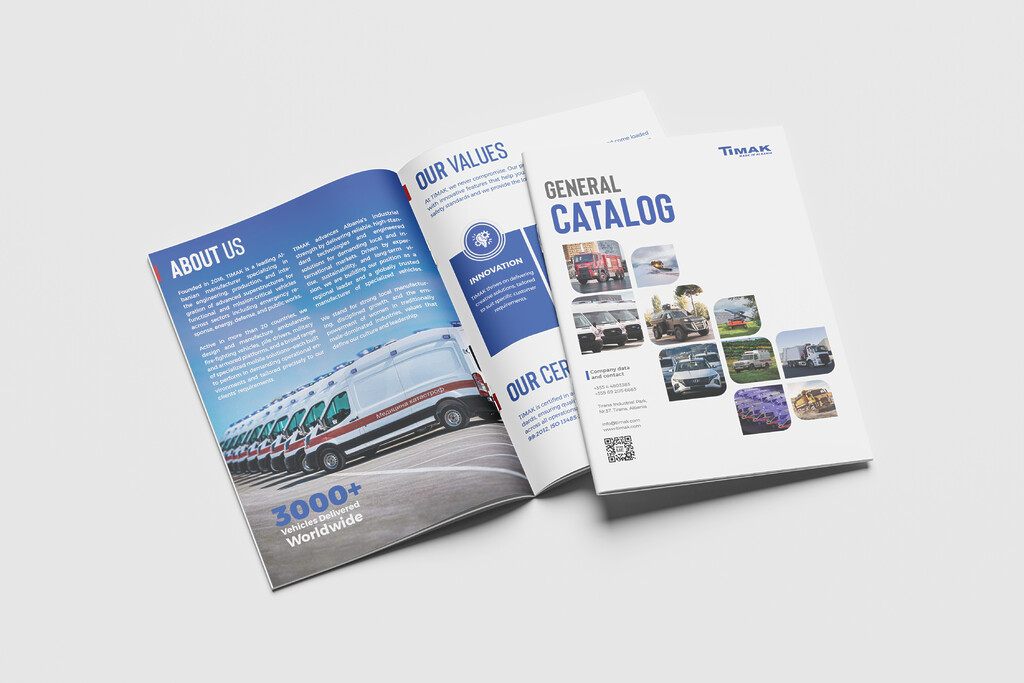
The Albania industrial revival strategy is quickly becoming one of the most important national priorities. Albania’s industrial revival plan is no longer discussed only as an economic development program. Instead, it has evolved into a broader framework that connects economic resilience, crisis preparedness and national security.
As global supply chains grow more fragile and geopolitical risks increase across Europe, Albania faces growing pressure to strengthen domestic production. Relying entirely on foreign suppliers for critical sectors is no longer a sustainable model. For this reason, the Albania industrial revival strategy represents a structural transformation in how the country approaches sovereignty and long-term stability.
Why Domestic Production Matters
The main objective behind Albania’s industrial revival plan is to reduce dependence on external suppliers and regain greater control over strategic industries. When essential goods are produced locally, supply chains become more predictable, and financial capital remains within the national economy.
Stronger domestic capacity means faster response times during crises and less exposure to global disruptions. It also encourages the development of specialized skills within Albania’s workforce.
You can also read more about Albania’s defense modernization efforts here:
SHOTA—Albania’s First Armored Military Vehicle “Made in Albania”
Defense Manufacturing and Strategic Readiness
A central pillar of the Albania industrial revival strategy is defense production. Operational readiness depends not only on trained personnel but also on reliable access to equipment and logistics systems.
Developing domestic capabilities in military protective equipment, tactical vehicle assembly, logistics components, and surveillance systems strengthens national preparedness. At the same time, alignment with NATO standards ensures interoperability and modernization.
For more information about NATO standards and interoperability requirements, see:
NATO Official Website
Balancing domestic production with international cooperation allows Albania to remain integrated within allied structures while building stronger internal capacity.
Innovation, Technology Transfer, and EU Partnerships
The Albania Industrial Revival Strategy also emphasizes collaboration with European partners. Strategic cooperation with EU manufacturers can accelerate technological development and industrial know-how.
Through structured technology transfer, Albania can expand engineering expertise, modernize production systems, and create a sustainable industrial ecosystem. This approach supports long-term growth rather than short-term procurement.
You can explore European industrial development initiatives here:
European Commission – Industry Policy
Strengthening the Emergency Sector
While defense remains important, emergency preparedness has become equally critical. The COVID-19 pandemic demonstrated how quickly global shortages can emerge during times of crisis.
For this reason, Albania’s industrial revival plan prioritizes manufacturing capacity in medical protective equipment, firefighting systems, emergency vehicles, and disaster response infrastructure. Building these capabilities domestically increases resilience and reduces delays during high-pressure situations.
Instead of reacting to crises, the Albania industrial revival strategy focuses on preparation and structural readiness.
Economic and Workforce Impact
Beyond security, the Albania industrial revival strategy carries significant economic implications. Industrial expansion creates employment opportunities in engineering, advanced manufacturing, logistics management, and defense technology.
By generating high-skilled jobs, Albania can help reduce brain drain and retain local talent. Moreover, a clear industrial policy signals long-term stability to investors. Foreign direct investment often follows strategic clarity and regulatory consistency.
International institutions such as the World Bank also support industrial modernization programs in emerging economies.
When properly implemented, Albania’s industrial revival plan can strengthen national security while also driving sustainable economic growth.